

The impact of economic disadvantage
The link between economic disadvantage and educational underachievement permeates every stage of a young person’s education. …

Young people growing up in Britain’s least privileged neighbourhoods have always faced an uphill struggle.
Young people growing up in Britain’s least privileged neighbourhoods have always faced an uphill struggle.
Homes are often overcrowded spaces where young people have nowhere to study, where devices are shared between siblings, and where hard-pressed families do not have spare cash for tutors and after-school activities. Few get the grades to go to university.
As a result, many families are caught in a vicious cycle, where the disadvantages of one generation are passed onto the next. This creates neighbourhoods where for decades, poverty and educational underachievement have gone hand in hand.
IntoUniversity was founded to address this issue.
The pandemic has made the challenge tougher, with young people experiencing months of lost learning and missed opportunities for work experience and skills development. In the least advantaged neighbourhoods, poverty is getting worse and the hill to be climbed is now even steeper than before.
In these communities, IntoUniversity centres offer a safe space for young people to learn, explore and succeed, a welcoming and supportive home-from-home, located in young people’s neighbourhoods.
Through after-school study sessions, mentoring meetings and our FOCUS programme which inspires and supports ambition, we provide the dedicated, long term support that can break cycles of disadvantage.
Find out more about what we do
“We are seeing large and sustained losses in education for school pupils and university students in the wake of the pandemic, with those from lower-income backgrounds particularly suffering. The big danger for pupils is that they suffer permanent educational scarring - missing out on key grades that can shape future life prospects.”Lee Elliot Major, Professor of Social Mobility at the University of Exeter, 2020.
Our work is based upon sound public research into both the need for our work and the effectiveness of our approach. Find out more about the barriers young people are facing below.
The link between economic disadvantage and educational underachievement permeates every stage of a young person’s education. …

Where young people are growing up in the UK affects their opportunities and life chances.

Young people from disadvantaged neighbourhoods are significantly less likely to progress to university or any further education, employment or training than their more privileged peers.
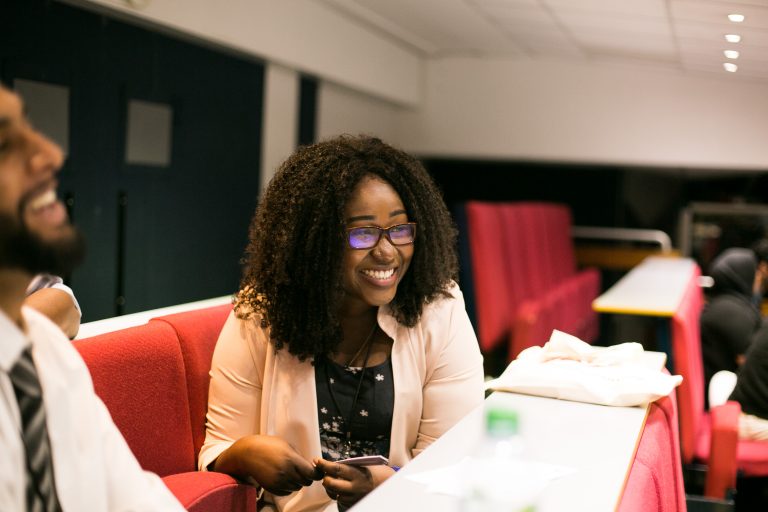
We believe that everyone should have the opportunity to access the benefits Higher Education can provide.
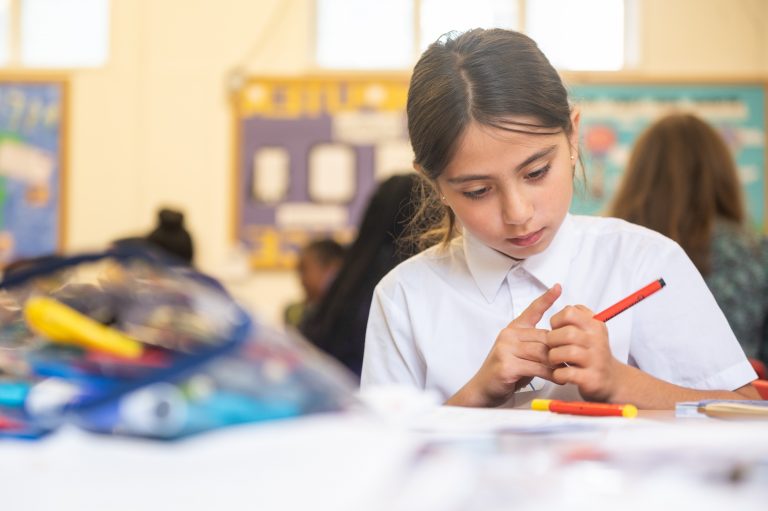
Early intervention is key in breaking down barriers to education and encouraging young people to think about their futures before their attitudes towards study become fixed.